


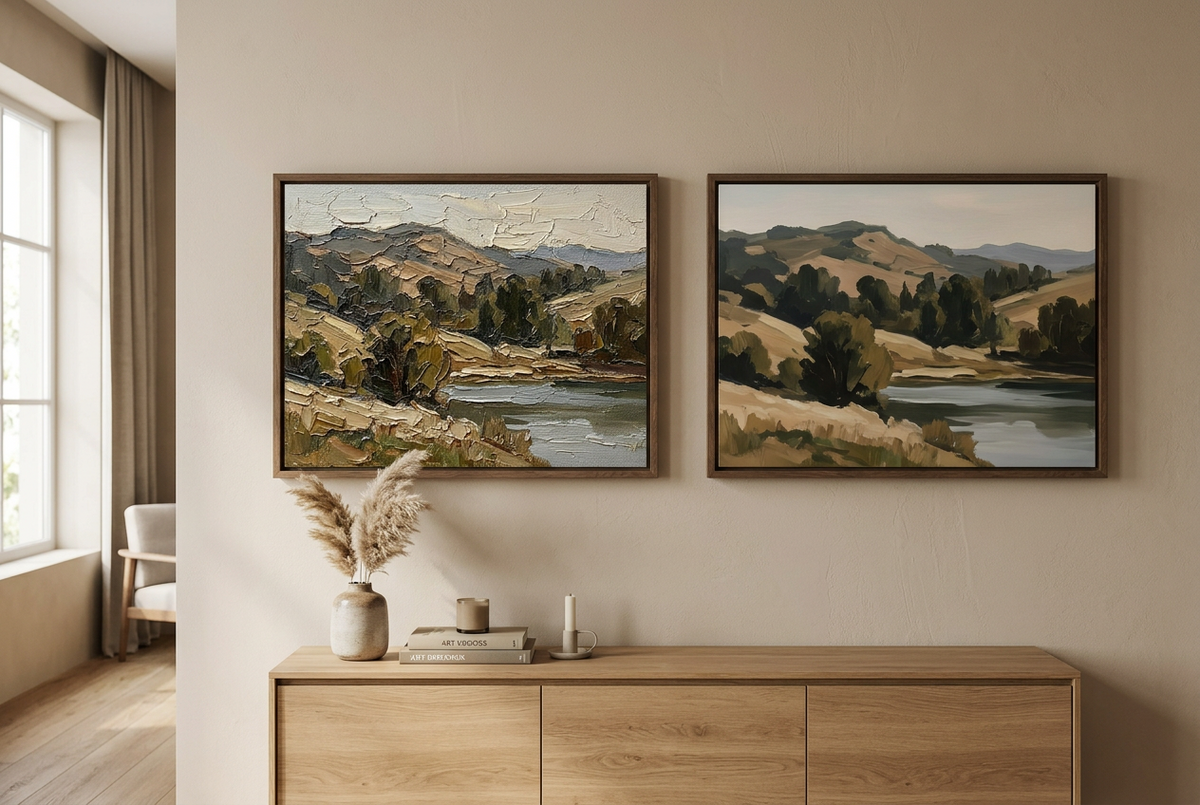
Walk into almost any home-decor store today and you'll find wall art labelled "oil painting on canvas." But here's the question nobody asks before buying: is it actually painted by hand — or is it a print that was printed to look like a painting?
The difference matters more than you might think. It affects how the piece looks on your wall, how long it lasts, whether it can be customized to your space, and even its value over time. At Welstell, every artwork is 100% hand-painted — never printed. In this guide, we break down the 5 key differences between an original oil painting and a canvas print, so you can buy with confidence.
What Do We Mean by "Original Oil Painting" vs. "Canvas Print"?
An original oil painting is created by an artist's hand, brushstroke by brushstroke, using oil-based pigment on canvas. Every mark is intentional, every layer builds texture, and no two pieces are ever the same.
A canvas print, on the other hand, starts as a digital image file. It's reproduced onto canvas with an inkjet or giclée printer, then stretched over a frame. Prints can look convincing in a photo — but they are copies, not creations.
The 5 Key Differences
1. Uniqueness: One of a Kind vs. One of Thousands
Every original oil painting is a one-off. The artist's hand, the day it was painted, the way the paint moved — none of it can ever be repeated. Even two paintings of the same subject by the same artist are visibly different.
A canvas print is a reproduction. The same file can be printed hundreds or thousands of times, and every copy is identical. If owning something truly unique matters to you, this alone is the biggest difference.
2. Texture and Visual Depth: Painted or Printed?
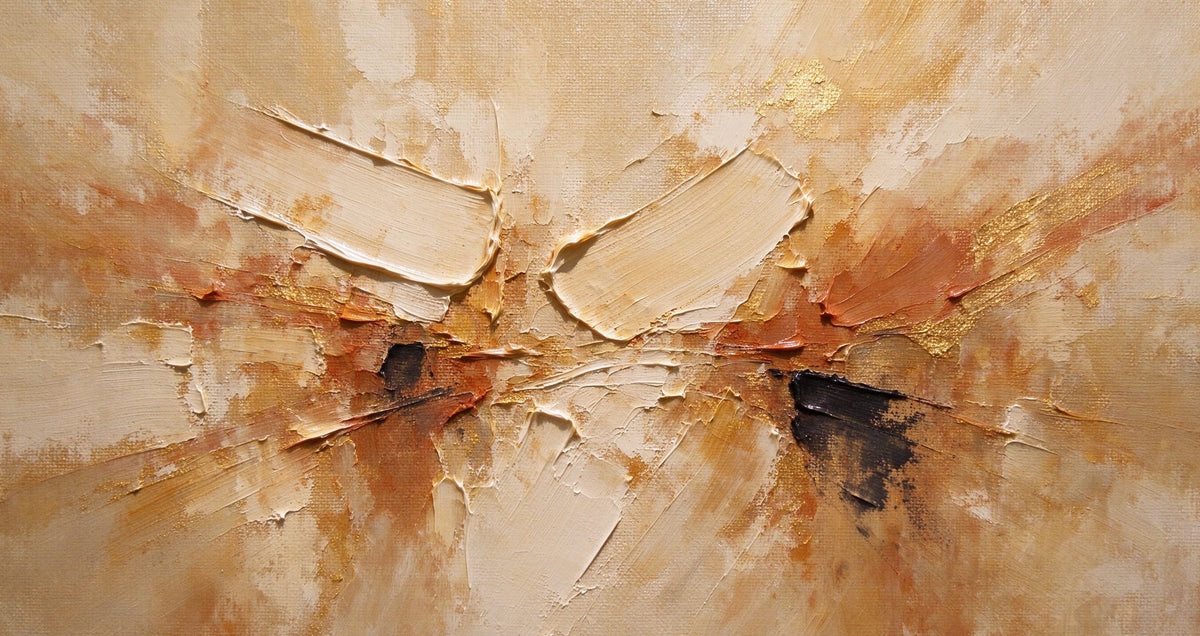
This is the difference you can feel. Original oil paintings carry real texture: raised brushstrokes, impasto ridges where the paint is laid on thick, and subtle shadows that catch the light differently as you move around the room. Up close, you can see the artist's hand.
Canvas prints are flat. Ink is laid onto the surface in a thin layer, sometimes with a fake "texture" effect printed on top. From across the room it may pass, but up close the flatness gives it away.
3. Longevity: Built to Last Generations vs. Fading Over Time
Oil paint is one of the most archival painting mediums in existence. Properly cared for, a quality oil painting can last for generations — museums still display oil paintings that are centuries old, with pigment suspended in oil and protected by canvas and varnish.
Prints face a different reality. Inkjet inks, especially lower-quality ones, can fade when exposed to direct sunlight over the years. Cheap canvas can also sag, and the printed "paint" surface can crack or yellow with age.
4. Customization: Made for Your Wall vs. Made for the Masses
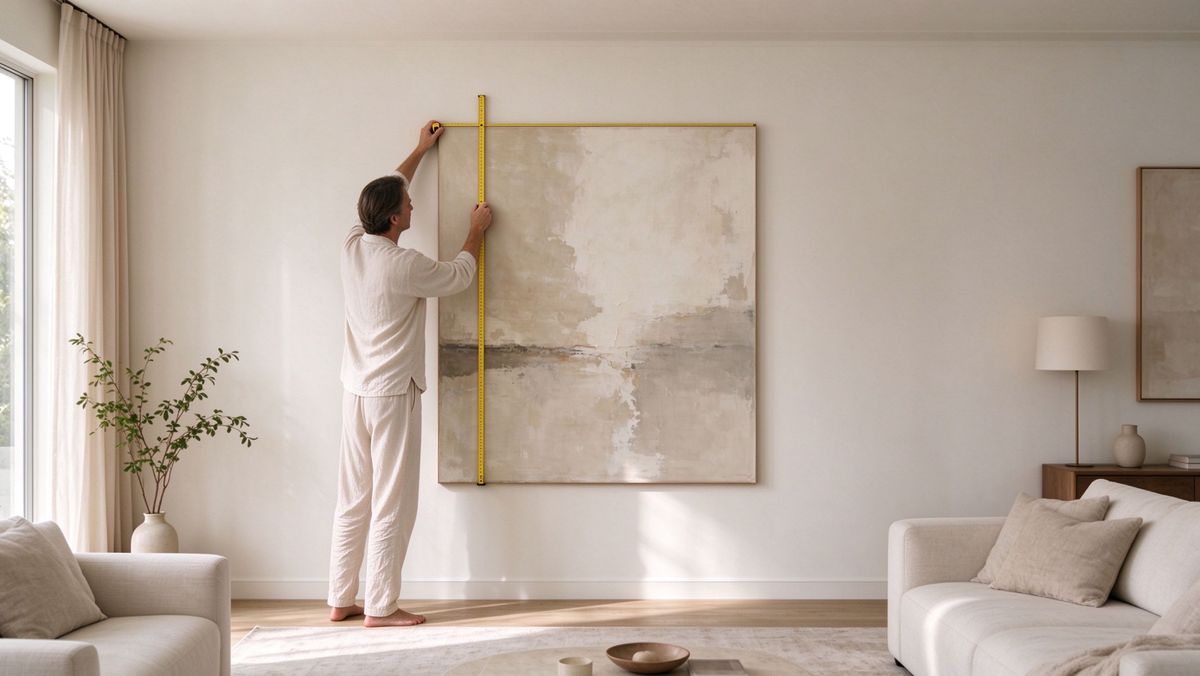
Because an original is painted by hand, it can be made to fit you: your exact wall dimensions, your preferred color palette, your room's lighting, even a subject that means something to you. Welstell offers custom oil paintings made to your size and taste — right down to tones that match your sofa and walls.
A print is a fixed product. You choose from the sizes and colors the manufacturer decided to print. Want it three inches wider or in a warmer tone? Unless it's custom-printed — which is still flat — you're out of luck.
5. Value: A Meaningful Investment vs. Affordable Decor
An original painting has intrinsic value: the skill, time, and materials of a real artist. It carries meaning, often becomes a family keepsake, and retains value over time. When you buy an original, you're also supporting a working artist.
A canvas print is primarily decor. It does a great job of filling a wall on a budget — but it has little resale value and doesn't appreciate. If you're choosing between "cheap decor" and "a real painting," you're not comparing the same thing.
Quick Comparison: Original Oil Painting vs. Canvas Print
| Feature | Original Oil Painting | Canvas Print |
|---|---|---|
| Production Method | Hand-painted, brushstroke by brushstroke, in oil pigment | Reproduced from a digital file by inkjet / giclée printer |
| Uniqueness | 100% unique — no two alike | Identical copies of the same file |
| Texture & Depth | Real texture, brushstrokes, impasto ridges | Flat surface (sometimes with printed fake texture) |
| Longevity | Archival; can last generations with proper care | Ink can fade in direct sunlight over time |
| Customization | Custom size, color, and subject available | Fixed sizes and colors |
| Value | Intrinsic art value; can become a keepsake | Mainly decor value |
| Price | Higher upfront cost | Budget-friendly |
How to Tell an Original from a Print When Shopping Online
Buying art online means you can't touch it — so look for the clues:
- Close-up photos: a real painting shows visible brushstrokes and raised paint. Prints look smooth and pixel-flat.
- Artist proof photos: honest sellers show the piece in progress, or photographed at an angle where texture is visible.
- Check the edges and back: hand-painted canvas often shows paint wrapping the sides and natural canvas texture on the back. Prints are usually perfectly uniform.
- Ask about the process: a seller who hand-paints will happily describe the artist, the medium, and the painting process.
- Watch for price red flags: a "hand-painted oil painting" at print prices almost never is.
Which One Is Right for You?
- Choose a canvas print if you need affordable decor, you're renting, or the wall will change often.
- Choose an original oil painting if you want a statement piece, something unique, or a piece that fits your exact space — or a gift with lasting meaning.
- Choose a custom painting if you have an unusual wall size, a specific palette, or a subject that matters to you.
Frequently Asked Questions
Is a canvas print the same as an oil painting?
No. A canvas print is an ink reproduction of an image; an oil painting is painted by hand with oil paint. They look different up close and age differently over the years.
Do oil paintings last longer than canvas prints?
Generally yes. Oil paint is an archival medium and can last for generations with proper care, while prints can fade over time, especially in direct sunlight.
Are hand-painted oil paintings worth the higher price?
If you value uniqueness, texture, longevity, and customization — yes. You're paying for a real artist's work and a one-of-a-kind piece, not a mass reproduction.
Can I get an original painting in a custom size or color?
Yes. Welstell paints custom pieces to your wall size, palette, and subject — see our custom oil paintings page.
Start With a Real Painting
Now you know the difference, the choice is simple: if you want a copy, buy a print. If you want a one-of-a-kind piece that fits your wall, your palette, and your story — start with a hand-painted original.
Explore Welstell's hand-painted oil paintings collection, browse our textured wall art, or tell us about your space and commission a custom piece.
Share:
The Ultimate Wall Art Size Guide: How to Pick the Perfect Canvas for Your Living Room & Sofa